
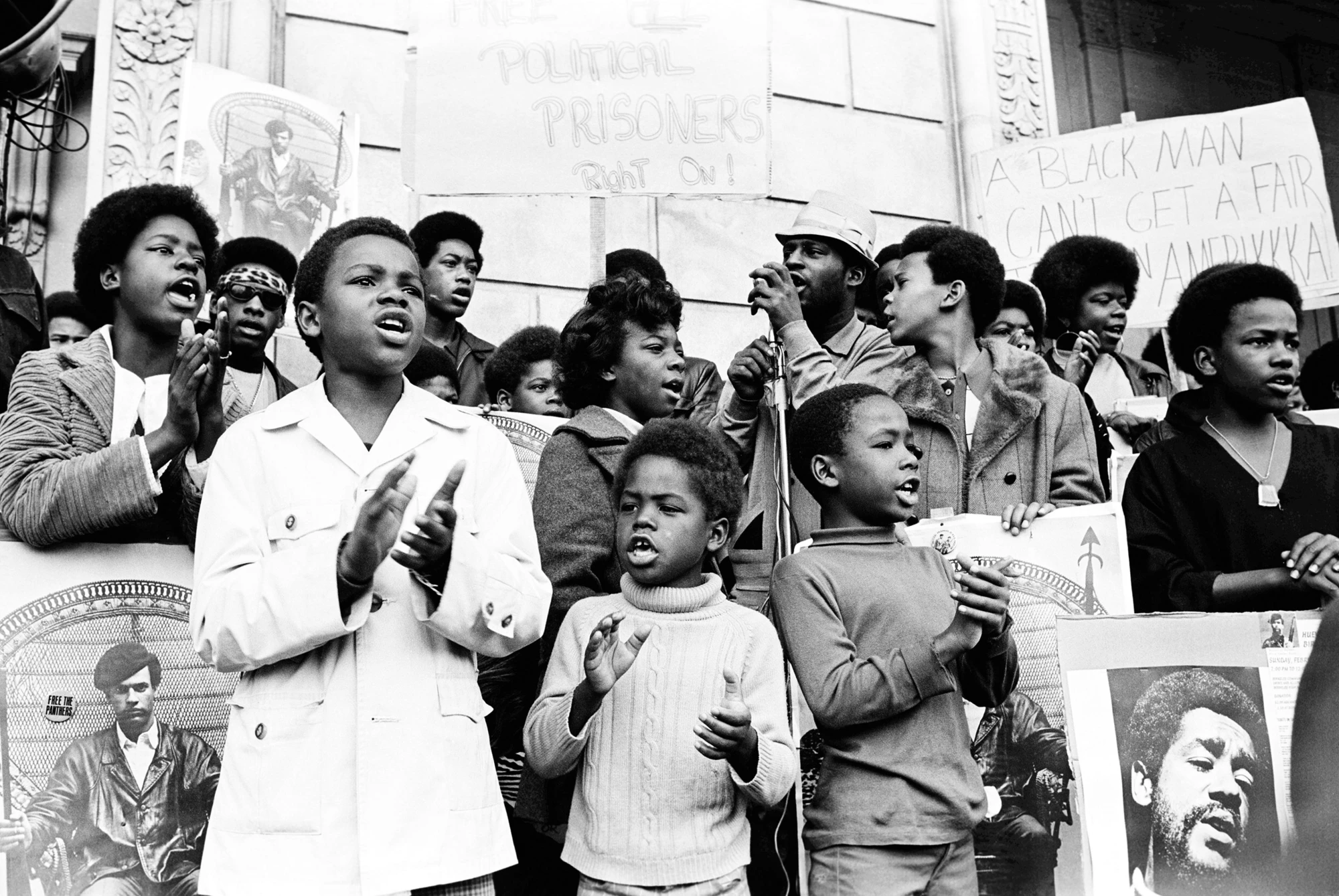
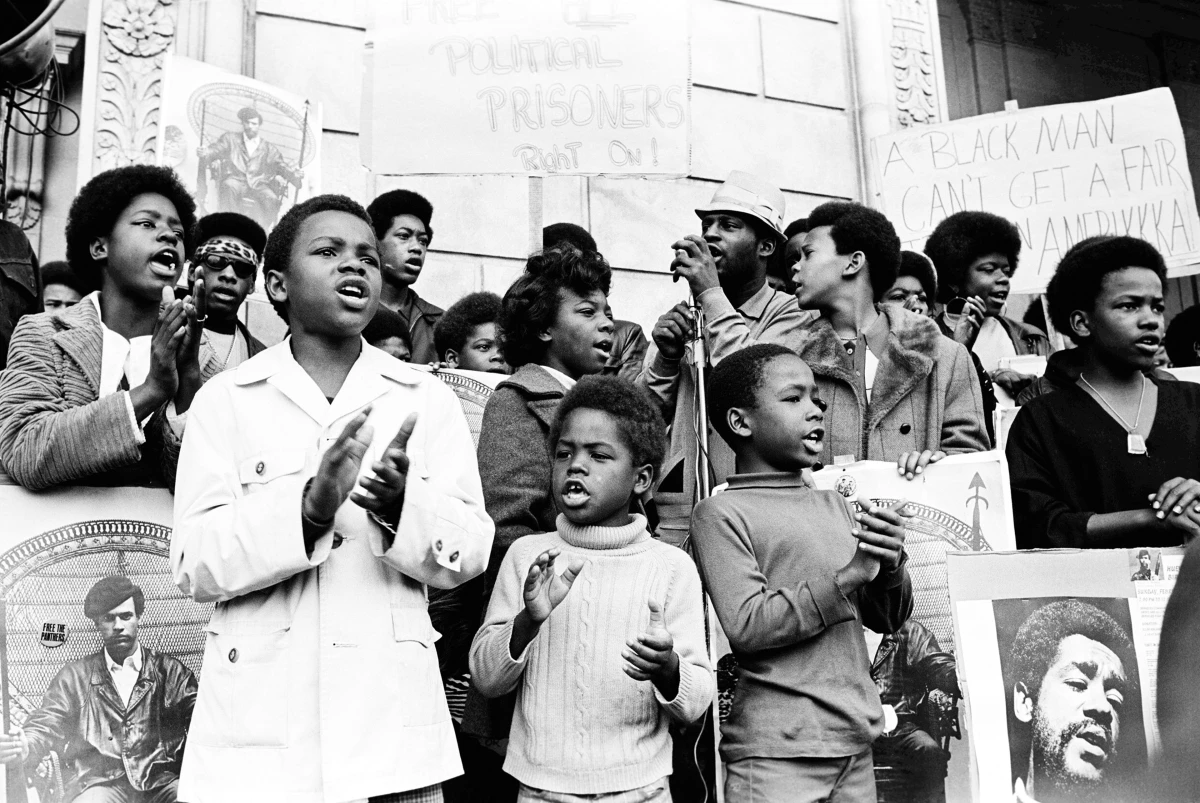
Not a Prophet: Exploring Delio Vasquez’s Biography of Huey Newton

We are pleased to republish this interview with Delio Vasquez, originally published on Arts of the Working Class under the title The promise and the necessity of Intercommunalism, and conducted by Dalia Maini. Vasquez is an academic and the author of the book Huey Newton: I Am We, which has recently been published by Polity Books. In this article, the figure of Huey Newton, one of the founders of the Black Panther Party alongside Bobby Seale, is illuminated also in his often overshadowed aspects, from his links with the Black churches to the relevance of the tortures and abuse he and other Panthers militants endured under the infamous MK ULTRA project, which played a pivotal role in the spiral of psychosis and mental illness that characterised his later life. Above all, it highlights the depth and the actuality of his political and philosophical thought, rooted as much in the concept of Ubuntu as in dialectical materialism, structuralism and spirituality. Past and present, individual and society, Marxism and spirituality intertwine in an endless flux, providing a message of hope and agency in the face of the current grim scenario.
The current version has been lightly revised by the authors.
I met Delio Vasquez in Marseille, at a Palestinian-led restaurant on the occasion of the launch of his book Huey P. Newton: I Am We (Polity Books). By listening to him speak that evening, I kept returning to questions I wanted to ask at more length. I thought to reach out, and what follows is the conversation that came out of it: on Newton's legacy, on state repression then and now, and on what it means to keep the work of remembering alive.
Dalia Maini: Your book Huey P. Newton: I Am We has finally been released by Polity. I understand your interest in the Black Panther Party is a long-standing one. What drew you to Huey's work in particular, and what obstacles did you meet along the way to publication?
Delio Vasquez: I was introduced to the Black Panther Party when I was young, through references in underground and political hip-hop. I read a few books in my late teens and early twenties, by Panthers and about Panthers, but I wasn't pursuing it as a study, not until my PhD. I ended up studying at the place where Huey Newton did his PhD, back in 1980, and I came to understand the lack of representation of his past presence there. There was a kind of avoidance of his legacy, in part because of his struggles later in life. And very few scholars had taken up the study of not just his life but his intellectual production in the decades since the sixties, despite his fame and prominence.
While I was there, several things fell into my hands. I didn't go in intending to study Newton's thought, but many opportunities came to me. I had very lucky encounters with people connected to him, or connected to others connected to him. Despite writing a dissertation about something else altogether, I decided it was important to write this book. And I was well positioned to do it. I tend to be more empathetic towards criminalized people because I grew up poor in the Bronx. I also studied philosophy, so I could navigate some of Newton's denser writings.
It's still challenging even though the book is published, because people who work on Panther history and related histories are subject to state repression, in subtle ways and in overbearing ways. I've had conversations with colleagues who work on related matters, and we both say: there are a lot of stories we could tell. And that's just as scholars, not organizers or people in prominent political positions.
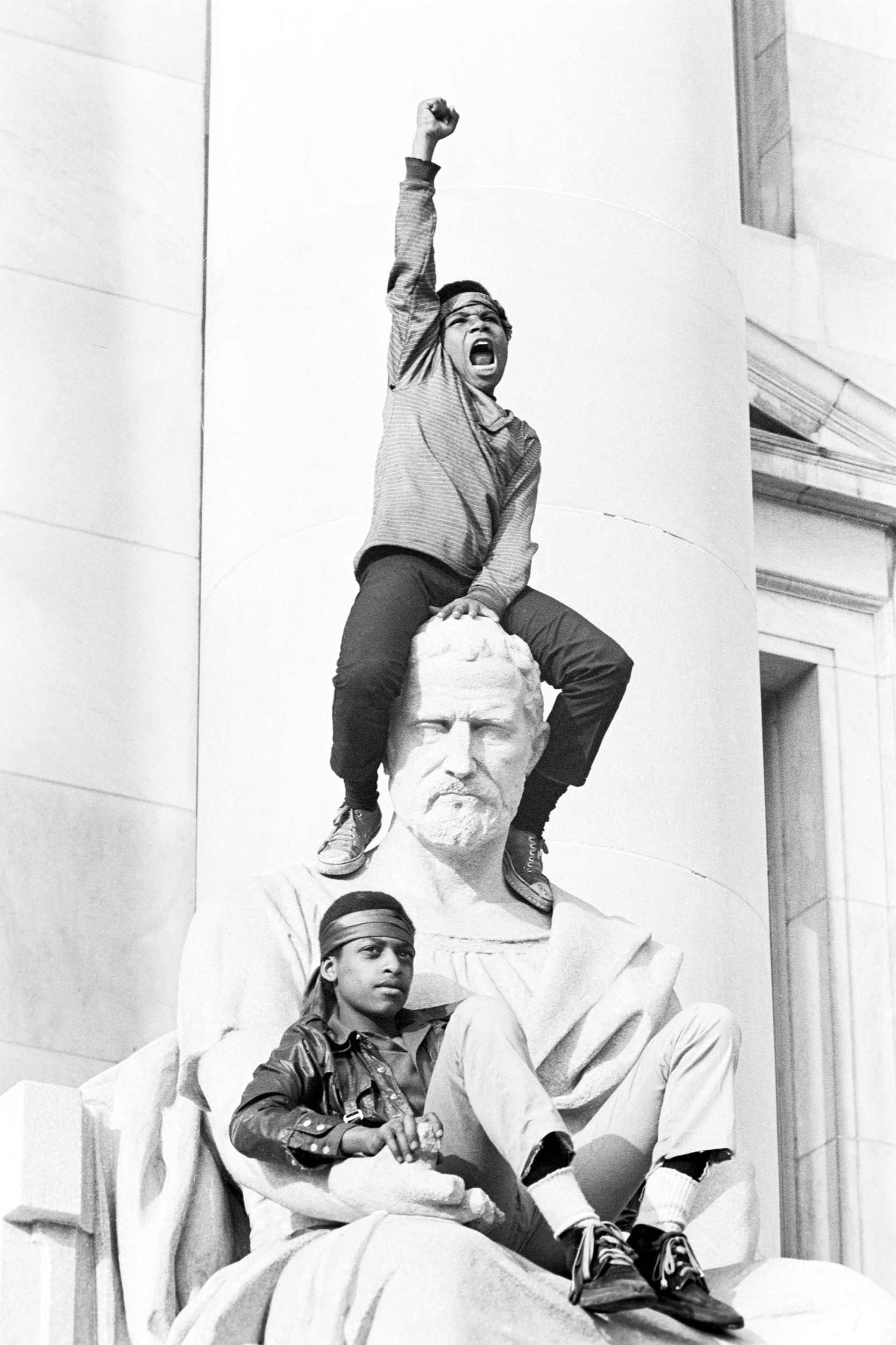
D.M.: I read Huey's autobiography, Revolutionary Suicide, and I was lucky enough to hear you speak about him. He strikes me as a polymath, someone who understood the contradiction of seeking emancipation within that society and who analyzed oppression at every level. Why do you think a figure so fundamental to the Panthers' political project has been so marginalized, including in the cultural sphere?D.V.: First of all,…