
Still a Thrill: Ballroom as Resistance

Ballroom was born in New York’s Black and Latinx LGBTQ+ community in the 1970s, at a time when survival often meant creating your own spaces of care, resilience, and resistance. Houses became chosen families, offering not only creativity and performance, but also protection, guidance, and solidarity.
From NYC to Milan
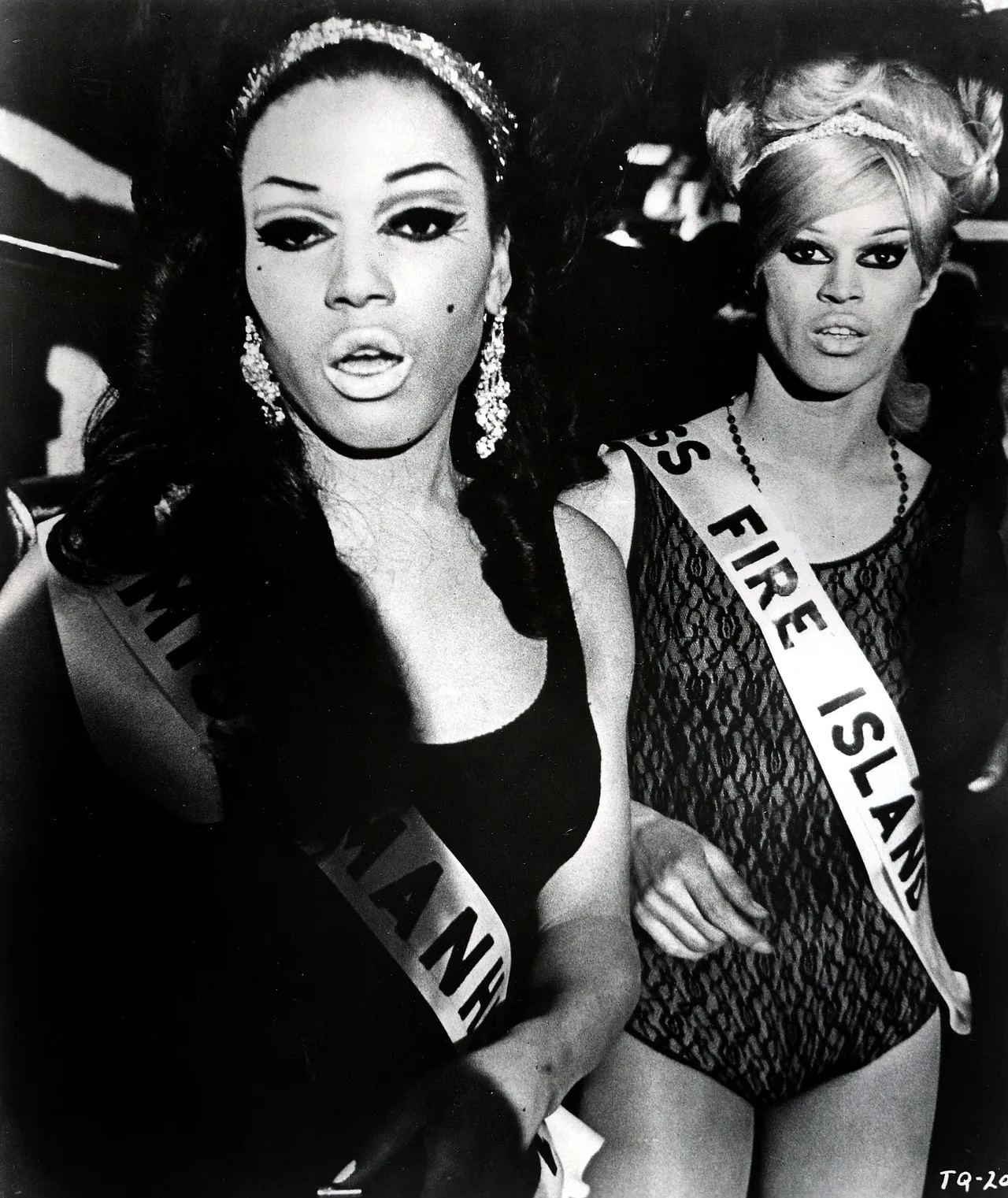
This story begins in New York, when drag balls were spaces of freedom and disguise. But even then, racism was present. In the 1960s, Black and Latinx queens were excluded from receiving prizes and discriminated against. Tired of being ignored, Crystal LaBeija walked off the stage of a ball in anger; from that gesture, in 1972, the House of LaBeija was born, the first house of ballroom. From then on, Houses would become networks of support, creative spaces, and alternative communities.
The 1968 documentary The Queen captured this turning point, showing Crystal’s walkout and her critique of racism in drag pageants. That moment crystallized a new beginning for ballroom: no longer just imitation of white beauty standards, but the creation of a culture rooted in Black and Latinx experience.
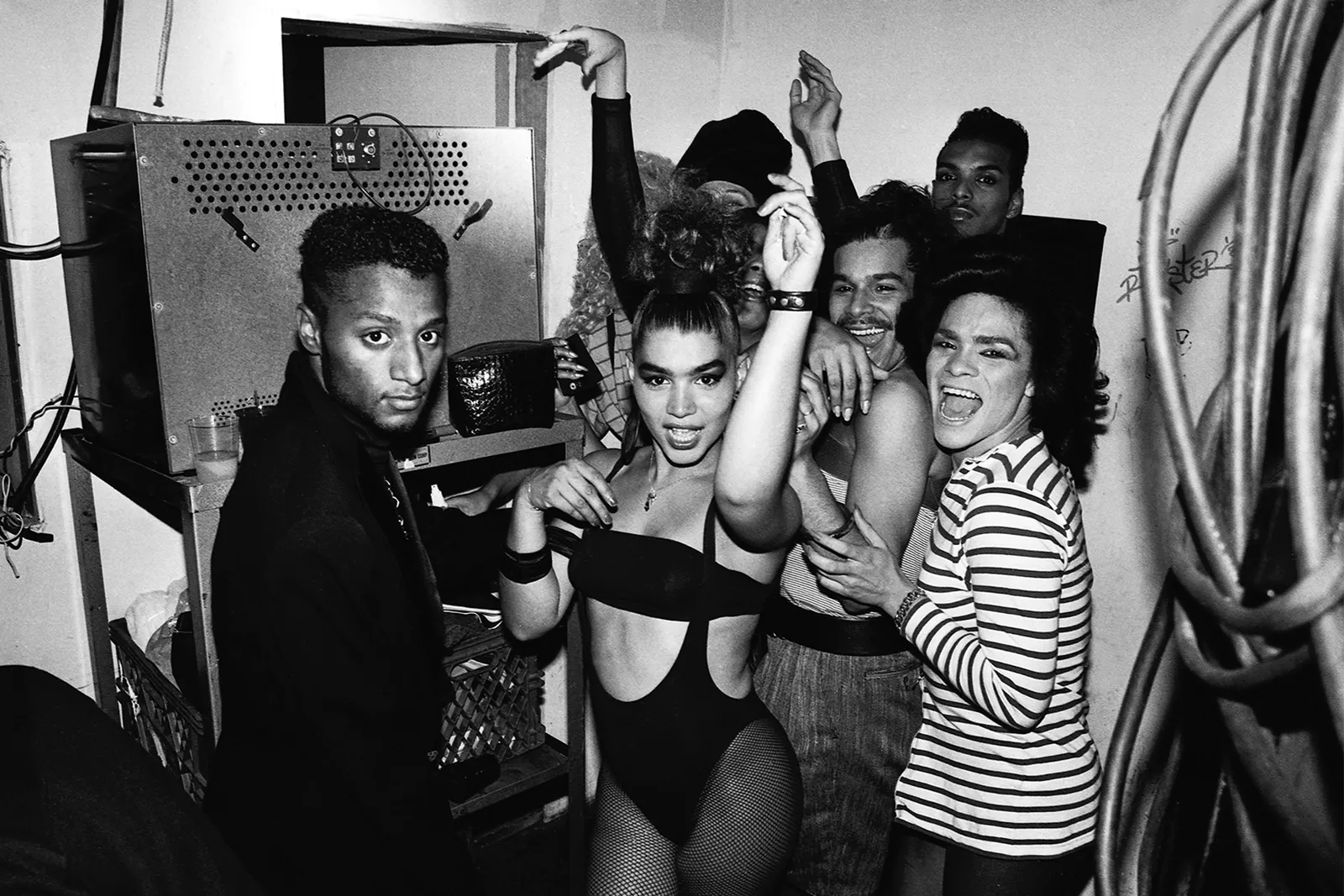
The ballroom scene originated within the Black and Latinx LGBTQ+ community in New York during the 1970s and 1980s. In a deeply hostile and violent social and political environment, this community became a space of survival, refuge, and empowerment. Within this context, Houses were chosen families that offered psychological, logistical, and financial support to countless young people who had been rejected by their biological families, had no future prospects, and often lacked self-love.
“Father” who guide and care for the “kids”. In addition, some Houses also include other roles such as “Prince/Princess”, “Godmother/Godfather”, ecc.
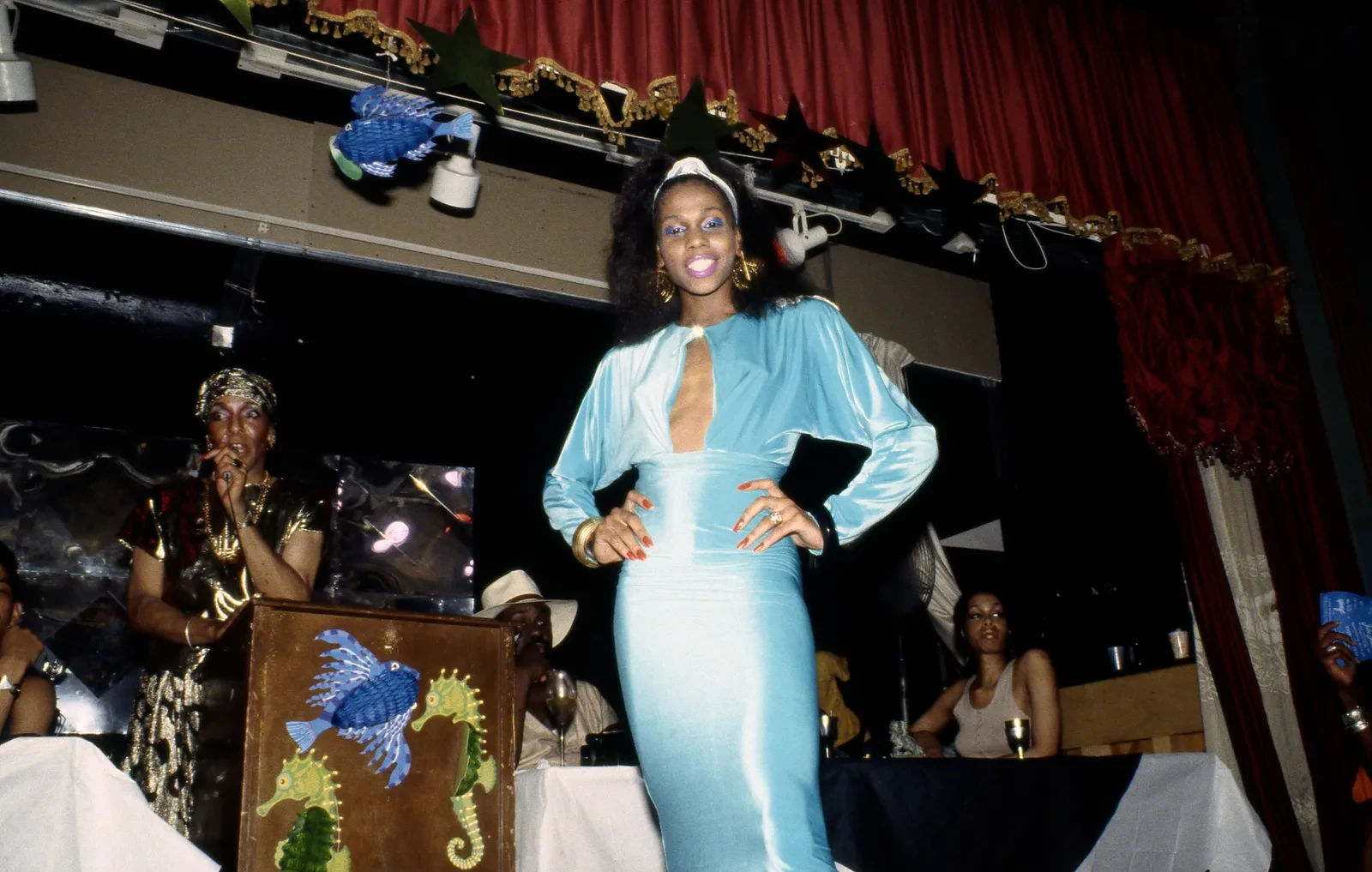
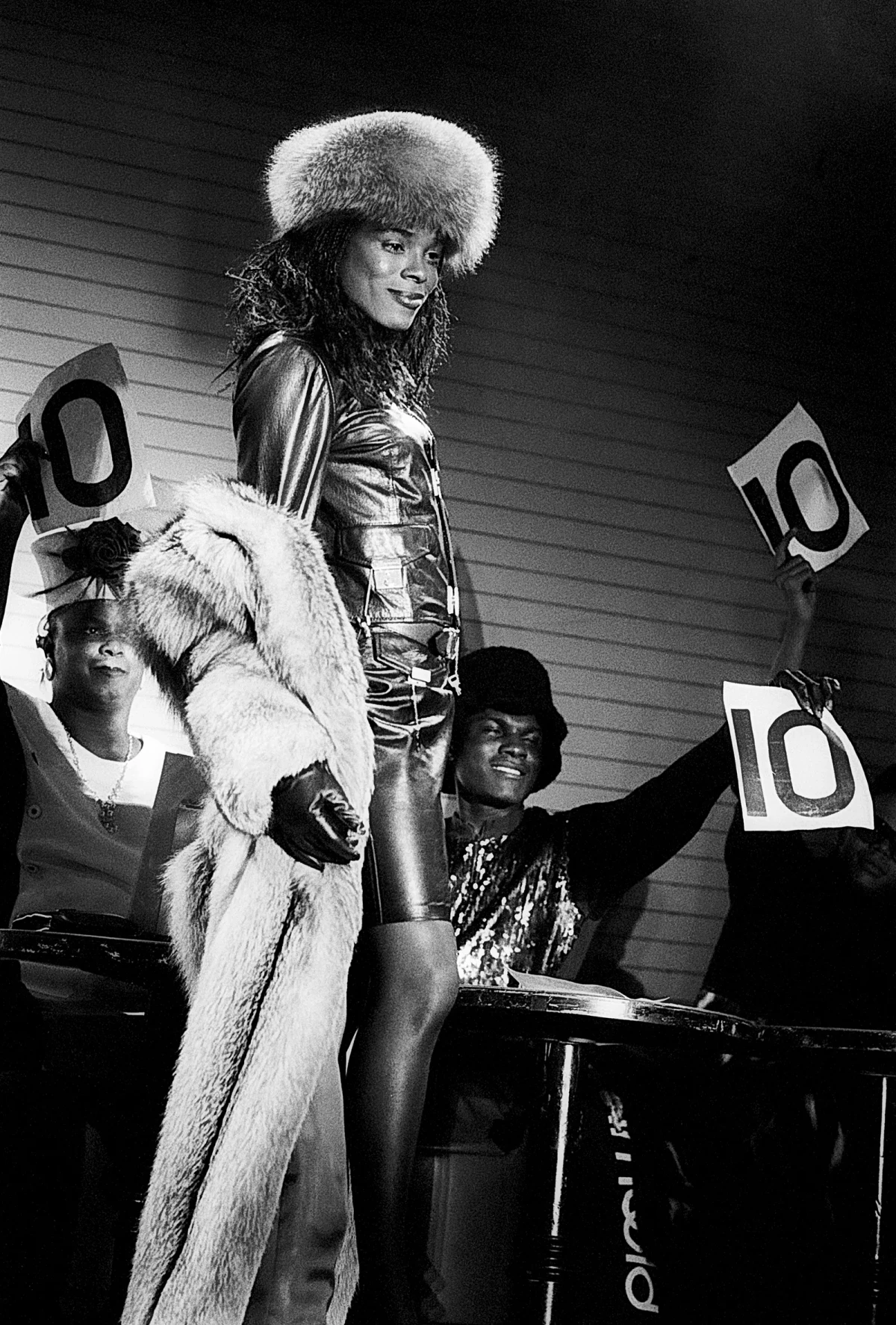
The Houses organized Balls, competitions of dance, style, and beauty, where participants could compete by creating outfits and performances inspired by fashion and celebrity. At these events, fantasies otherwise unattainable in everyday life could be lived out. People competed in categories before a panel of judges, accompanied by DJ and commentators.
Voguing is the word that encompasses all the dance categories within the scene. Originally inspired by the poses of fashion magazines, it evolved over the years, and today we have three main categories: Old Way, danced to disco music, where the body creates lines, poses, and geometries, with references to the pop culture of the 1970s and 1980s, the moment when voguing began; New Way, danced to house music, where poses and geometric movements are accelerated and combined with contortionism; and Vogue Fem, extremely feminine and today the most popular style, with spins and dips that have become iconic, gone viral on social media, and been imitated in countless contexts.
The categories reflected both dreams and realities: Realness tested the ability to “pass” as cis and/or heterosexual in mainstream society; Runway celebrated attitude and style; Face focused on beauty and presentation; Body and Sex Siren highlighted confidence and sex appeal. These were not just competitions, but political acts that redefined the meaning of identity. Ballroom was not entertainment: it was survival transformed into art.The judging…