
One Nation Under God. Islam, Identity and Resistance in the Black America

Islam in America has been a significant aspect of the nation's cultural landscape, though misconceptions and criticism have shaped public perception. Islamophobia, fueled by stereotypes and political rhetoric, created a climate of fear and distrust toward Muslim communities. Within the African American community, Islam has played a pivotal role, especially in the mid-20th century, as a form of political resistance and empowerment. Today, Islam continues to shape African American identity and activism, with many seeing it as both a spiritual path and a revolutionary tool for social justice.
The Legacy of African American Muslim: from Omar Ibn Said to Malcom X
by Selam Tesfai
In the United States, the 1950s and 1960s would be crucial in laying the foundations for all future political movements across the country.
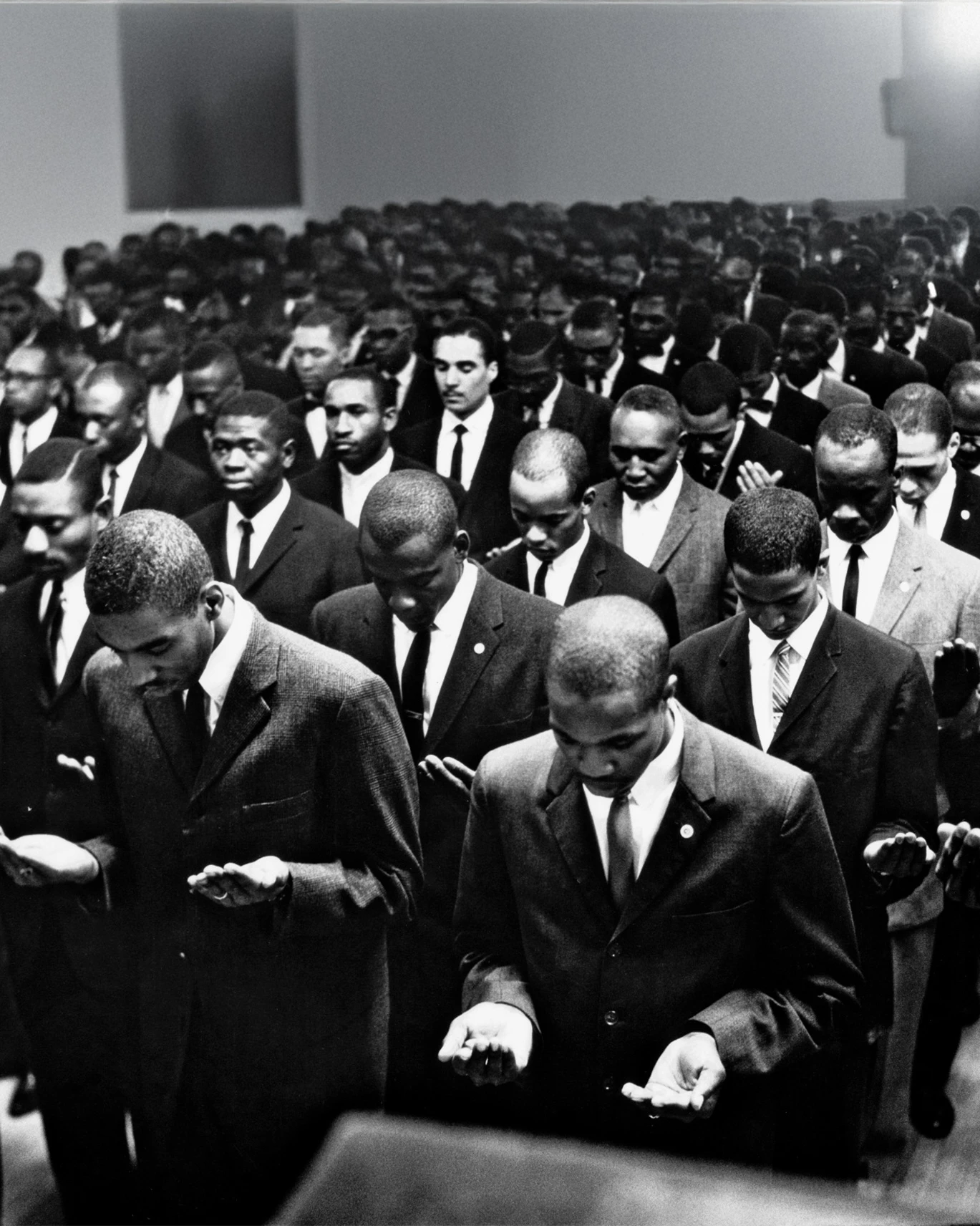
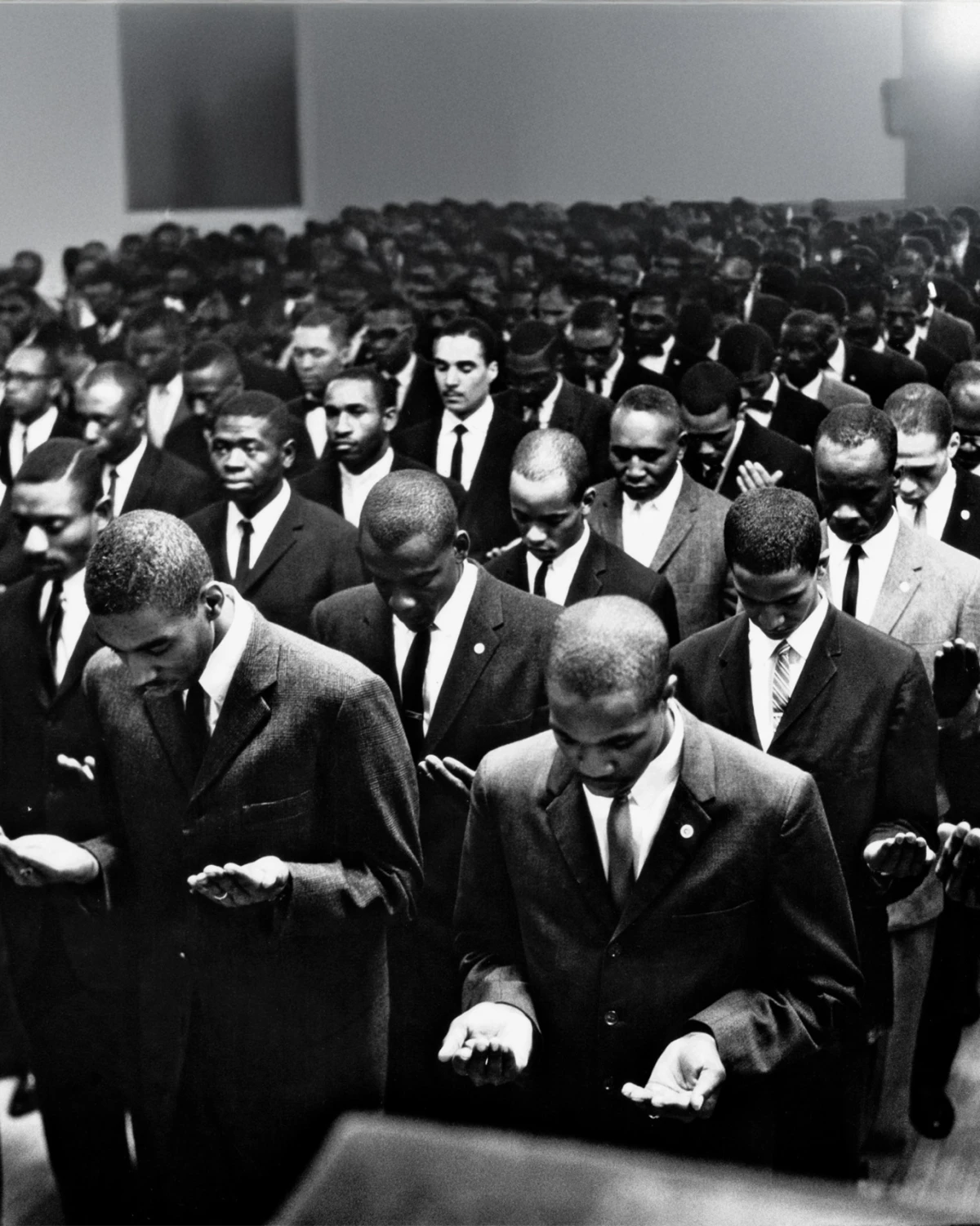
In those years, the Black liberation movement was increasingly stratified and dynamic. Indeed, there were numerous souls within it theorizing how to achieve Black emancipation in every sphere of social life, not only in the United States, but all over the globe, wherever colonized territories were struggling for independence. For example, studying the Civil Rights Movement[1], one will come across extremely divergent organizations: from nationalist to integrationist, from revolutionary to pacifist movements for non-violence; among them, many were headed by religious preachers: Baptists, Catholics, Pentecostals, Muslims, true political leaders on par with Black nationalists. What united such different worlds was a shared struggle against a common enemy: the white man, that is, the one true master of the United States of America.
Despite this, the political leaders of the Civil Rights Movement are still recounted in a superficial and stereotypical manner, showing how little space is given to analyses that fully capture the complexities of the characters who animated this important phase of the reorganization of American society. In such a vibrant and complex landscape, it’s not easy to understand the historical evolution of some of the main political and philosophical currents within the Civil Rights Movement. This makes it necessary to ask: who were the Africans who were forced to inhabit the United States through the establishment of the slave system and the Atlantic route?
We know very little about their stories. Upon reaching the American continent, African people forced into slavery were separated from family members and people of the same clan, preventing them from communicating with one another. This, in actual fact, disrupted the transmission of language and cultural and religious traditions.
According to Mary-Jane Deeb, head of the Department of African and Middle Eastern Studies at the U.S. Library of Congress, approximately 20 percent of the Africans kidnapped and enslaved in the Americas were Muslims. Prominent among these people is Omar Ibn Said [2], who was born in 1770 in Futa Toro, in present-day Senegal. He was kidnapped in the early 1800s and forced to cross the Atlantic to the port of Charleston, South Carolina, where he was sold into slavery.Of the more than 12 million people deported from Africa during the slave trade, about 400,000 were sent to North American ports, and about 40 percent of these sailed to Charleston. Omar Ibn Said was among the last ones. His memoirs remain to date the oldest known autobiographical account of an African slave in the United States of America. His autobiography belonged to private collections until 2017, when it was finally acquired by the Library of Congress and made accessible to the community through digitization. «Before I came to the Christian country, my religion was the religion of Mohammed. Then there came to our place a large army,…